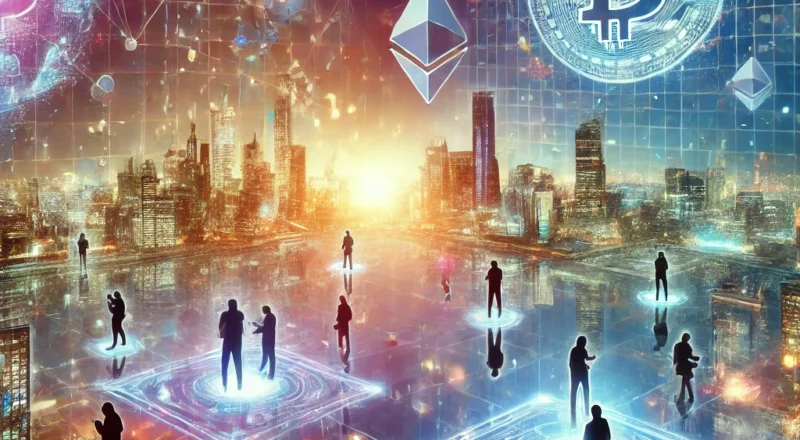
In recent years, the concept of the “metaverse” has gained significant traction, promising to redefine our digital experiences and blur the lines between physical and virtual reality. The metaverse—a shared, digital universe composed of interconnected virtual spaces—relies heavily on cutting-edge technologies, particularly blockchain and cryptocurrency. These technologies bring unparalleled possibilities for creating, owning, and exchanging virtual assets, fueling the development of decentralized digital economies.
Understanding the Metaverse: A Digital Frontier
At its core, the metaverse is an expansive digital space where users can interact with one another and digital objects through avatars. It includes various online platforms, gaming ecosystems, and virtual spaces, but unlike traditional online environments, the metaverse aims for interoperability, allowing seamless interaction across platforms. Users in the metaverse engage in activities like gaming, shopping, working, socializing, and learning—effectively creating a digital economy powered by its own currencies and marketplaces.
The metaverse’s evolution has accelerated due to the rise of blockchain technology and cryptocurrency, making decentralized ownership and transparent transactions possible. As these technologies mature, they provide essential infrastructure for creating virtual worlds with their own economic systems.
The Role of Blockchain in the Metaverse
Blockchain, a decentralized ledger technology, offers several benefits that support the metaverse’s growth. First and foremost, blockchain enables true ownership of digital assets through non-fungible tokens (NFTs), ensuring that users genuinely own the items they acquire. Since NFTs are unique, indivisible tokens stored on the blockchain, they make it possible for users to buy, sell, and trade virtual items—such as land, avatars, or digital art—across different platforms.
Beyond asset ownership, blockchain’s smart contract capability powers the metaverse’s economic structure. Smart contracts are programmable agreements that automatically execute predefined conditions, enabling decentralized applications (dApps) within the metaverse. These contracts provide a secure, transparent way to establish rules for interactions within virtual environments, from renting digital properties to hosting virtual events.
Cryptocurrency: The Fuel of Virtual Economies
Cryptocurrencies are integral to the metaverse’s economy, enabling transactions and incentives within digital spaces. For instance, platforms like Decentraland and The Sandbox use native cryptocurrencies (MANA and SAND, respectively) to facilitate in-world purchases. These tokens allow users to buy land, customize avatars, participate in events, and purchase digital assets, enhancing the immersive experience while creating value within the ecosystem.
The use of cryptocurrency also democratizes the metaverse by enabling users globally to participate in its economy, creating a decentralized market accessible from anywhere. This open-access nature appeals to users and investors alike, who can capitalize on emerging digital real estate or acquire unique items with real-world value.
NFTs and Digital Identity
In the metaverse, NFTs play a crucial role in defining digital identity and personal expression. An NFT can represent various virtual assets, from digital clothing to property and even personal avatars. These assets are securely linked to the user, providing a lasting and transferable digital identity. Users can express themselves and build their digital presence by customizing their avatars with NFTs, making the experience more interactive and personal.
Furthermore, NFTs are pushing the boundaries of creativity, allowing artists, designers, and developers to create and sell digital art directly within the metaverse. This has led to a digital renaissance where creators can monetize their work, contributing to the virtual economy and enhancing the variety of content available.
Challenges and Future Prospects
Despite its promise, building a fully functional and interoperable metaverse presents challenges. Security is a pressing issue, as hackers can exploit vulnerabilities to access valuable digital assets. Scalability is another concern; blockchain technology must handle millions of transactions efficiently to support a global user base without compromising speed.
Regulation also looms large. As the metaverse bridges virtual and real economies, governments may introduce regulatory frameworks to oversee transactions, particularly to prevent illegal activities or safeguard users.
Conclusion: The Boundless Potential of Blockchain and Crypto in the Metaverse
The metaverse represents a new frontier, where the integration of blockchain and cryptocurrency enables a dynamic and decentralized digital economy. Blockchain ensures transparency and ownership, while cryptocurrencies facilitate trade and accessibility. Together, they empower users to interact with virtual worlds in unprecedented ways, heralding an era of limitless potential for social, economic, and creative expression.
As the metaverse continues to evolve, so too will the technologies underpinning it. By overcoming challenges and pushing the boundaries of what’s possible, the collaboration of crypto, blockchain, and virtual worlds stands poised to create a digital future that is immersive, secure, and richly interconnected.