The Environmental Impact of Cryptocurrency Mining in 2024
Cryptocurrency mining, a process essential to the validation of transactions and the creation of new coins, has come under scrutiny due to its significant environmental impact. As the industry continues to grow, the energy consumption and resulting carbon emissions associated with mining operations have raised considerable concerns. In 2024, the debate over the ecological footprint of cryptocurrency mining has intensified, prompting innovations and discussions on sustainable practices.
Energy Consumption and Environmental Consequences
Cryptocurrency mining is an energy-intensive process. Mining rigs, comprising powerful computers, operate continuously to solve complex mathematical problems. This process consumes vast amounts of electricity, often sourced from fossil fuels, leading to high carbon emissions. In 2024, it is estimated that the energy consumption of the Bitcoin network alone surpasses that of many small countries, highlighting the scale of the issue.
The environmental consequences of such high energy consumption are significant. Increased greenhouse gas emissions contribute to global warming, and the reliance on non-renewable energy sources exacerbates the depletion of natural resources. Additionally, the e-waste generated by obsolete mining hardware poses a further environmental challenge.
Innovations in Sustainable Mining
In response to growing environmental concerns, the cryptocurrency industry is exploring several innovations to reduce its ecological footprint. One promising approach is the shift towards more energy-efficient consensus mechanisms. Proof-of-Stake (PoS), for example, significantly reduces energy consumption compared to the traditional Proof-of-Work (PoW) model. Ethereum’s transition to PoS with its Ethereum 2.0 upgrade is a notable example of this trend.
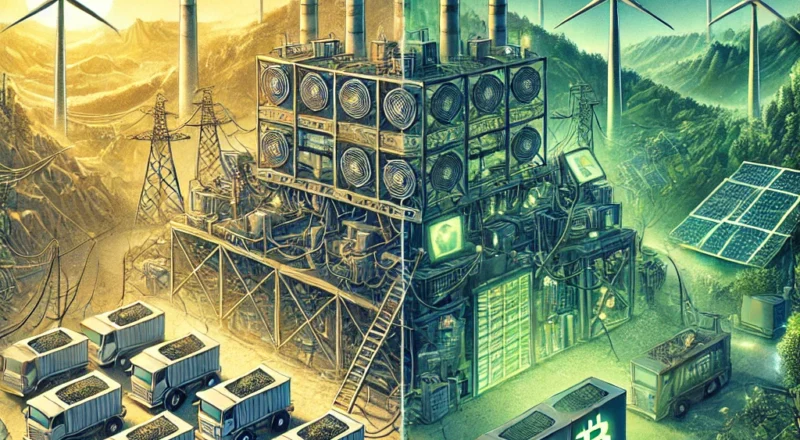
Another avenue for reducing the environmental impact is the adoption of renewable energy sources. Solar, wind, and hydroelectric power are being increasingly integrated into mining operations. In regions with abundant renewable energy resources, miners are setting up operations to harness clean energy, thereby reducing their reliance on fossil fuels and lowering carbon emissions.
The Role of Renewable Energy
Renewable energy plays a crucial role in mitigating the environmental impact of cryptocurrency mining. By transitioning to clean energy sources, mining operations can significantly reduce their carbon footprint. In 2024, several large-scale mining farms are powered entirely by renewable energy, setting a precedent for the industry.
Moreover, some mining companies are investing in energy storage solutions and smart grid technologies to optimize energy usage. These innovations help balance the energy supply and demand, making mining operations more sustainable and efficient.
Future Trends and Potential Regulations
Looking ahead, the cryptocurrency industry is expected to continue its efforts towards sustainability. Innovations in hardware efficiency, energy management, and the adoption of greener technologies will play a pivotal role in shaping the future of mining. Furthermore, regulatory bodies are likely to impose stricter guidelines to ensure environmental compliance.
Governments and international organizations are increasingly recognizing the need to address the environmental impact of cryptocurrency mining. Potential regulations may include mandatory carbon offsetting, incentives for using renewable energy, and penalties for excessive energy consumption. These measures aim to align the growth of the cryptocurrency industry with global environmental goals.
Conclusion
The environmental impact of cryptocurrency mining in 2024 is a critical issue that necessitates immediate attention and action. While the industry has made strides towards sustainability, continued innovation and regulatory support are essential to mitigate its ecological footprint. As the world moves towards a greener future, the cryptocurrency sector must embrace sustainable practices to ensure its growth does not come at the expense of the environment.